

Skip to content
La Forge Digitale — Savoir-faire maison
Le Chaudron

Diagnostic & learning strategy

A fresh look at what you no longer see

Before you train, you need to know what deserves to be passed on. Le Chaudron is our diagnostic phase: we melt down the raw material of your organisation to extract the know-how that really makes up its value.

Discover the secrets of my successYour conversation will be about: Audit

Your best people do things they cannot explain. That is exactly the material Le Chaudron goes looking for, before anyone thinks about a single training course.

Close-up of a blacksmith's hands inspecting a piece of glowing metal
The starting point

Your know-how is invisible from the inside

What seems obvious to you is precisely what your newcomers will take two years to learn.

In most of the organisations we meet, the bulk of the knowledge is written down nowhere. It circulates by word of mouth, is passed on by imitation and disappears when people leave. Procedures exist, but they describe what should be done, not what the people who succeed actually do.

Le Chaudron means coming in from outside to ask the questions nobody asks internally any more. We observe, we listen, we compare versions. Then we hand you back a clear picture of what you know how to do, what is being lost, and what must be passed on first. Not a single line of content is produced before this stage: training without a diagnosis is hammering cold metal.

  • We listen to your experts, not only to your managers
  • We look for the gap between what is prescribed and what really happens
  • We keep only what has a measurable impact
The method

The diagnostic in three stages

A deliberately slow start, so that everything goes much faster afterwards.

A craftsman's hands examining a raw iron bar, the only golden glow on the metal

Stage 1

Extracting the essences

We go looking for what sets you apart: the moves your experts make without thinking, the decisions taken by instinct, the tricks of the trade nobody ever wrote down.

Filmed expert interviews, field observation, analysis of incidents and successes, collection of existing materials. We listen first, and document afterwards.
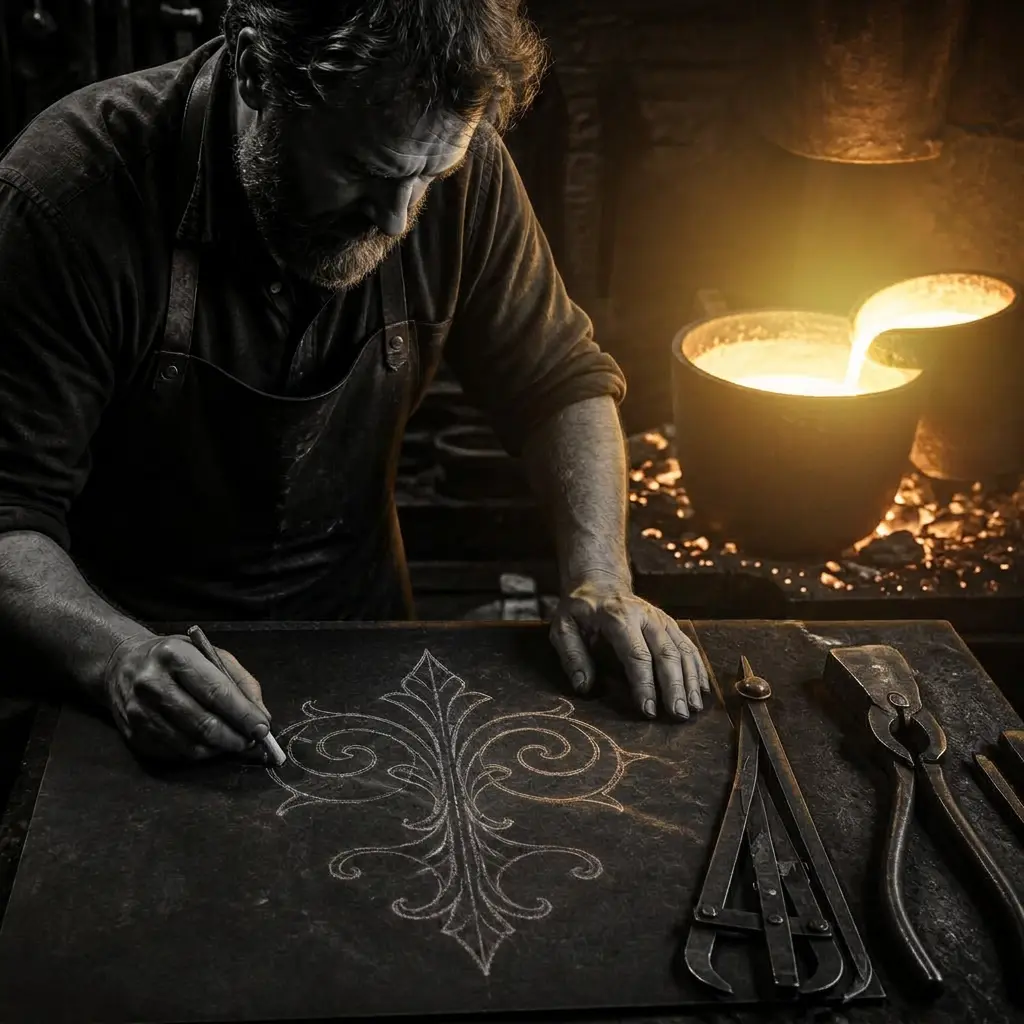
Plans drawn in chalk on a steel plate in a dark workshop

Stage 2

Distilling the talents

Everything gathered is sorted, cross-checked and reduced to the essential. We separate critical knowledge from folklore, what is useful from what is merely comfortable.

Skills mapping, ranking of knowledge, identification of the gaps between actual and expected level, prioritisation by business impact.

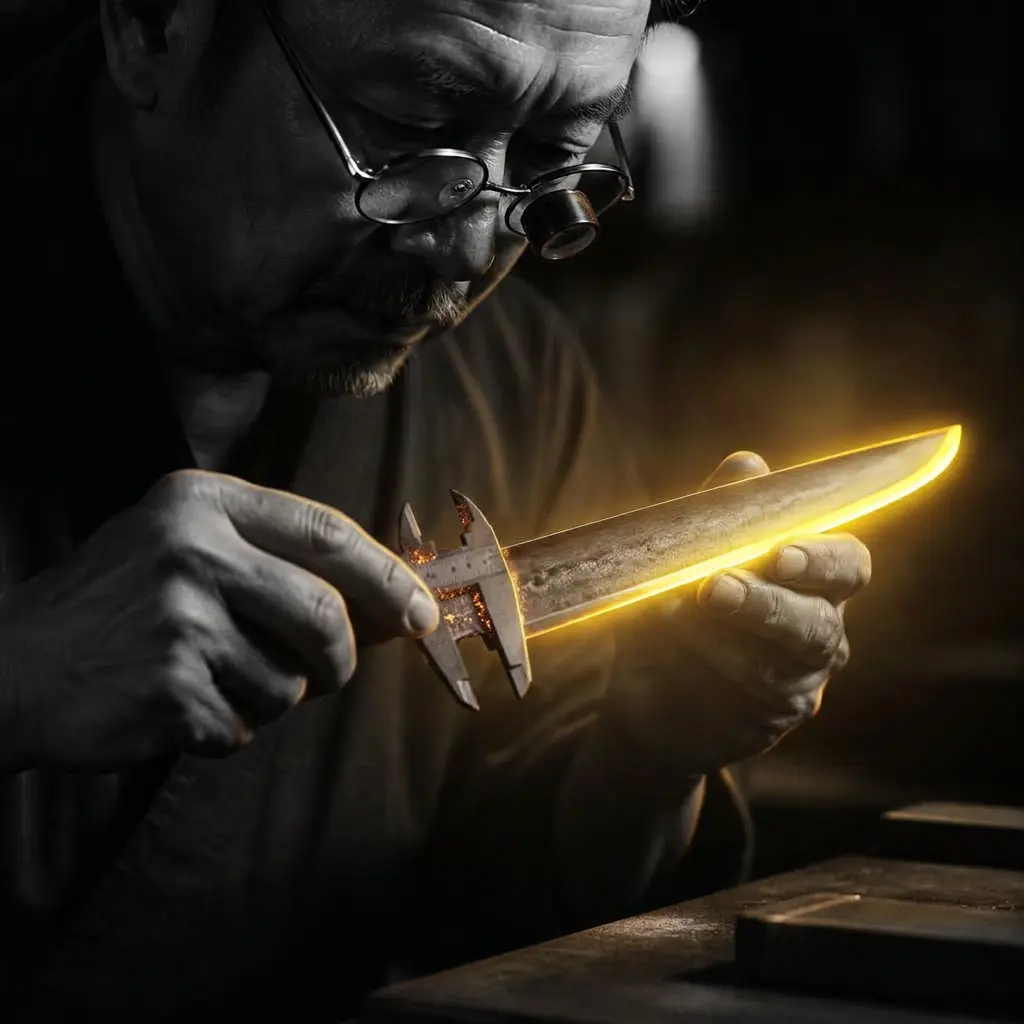
Quality control of a forged blade, measured with calipers under raking light

Stage 3

Alloying the skills

We recompose a coherent programme: which knowledge, for whom, in what form, at what moment, and how you will know it worked.

Learning path architecture, recommended formats, success indicators, budget and schedule. You leave with a usable roadmap, even without us.

What you receive

A roadmap, not a report

The Chaudron deliverable comes down to a one-hour debrief and a document you can use the very next day.

  • 1A map of your organisation's critical know-how
  • 2Analysis of skills gaps by population
  • 3Recommended learning path architecture, format by format
  • 4Success indicators and an impact measurement system
  • 5Costing, schedule and funding scenarios
Molten metal folded over on itself, the texture of glowing Damascus steel
0 wks
Average length of a diagnostic
0
Subject-matter experts interviewed on average
0%
Deliverables you can reuse without us

“We were convinced we had a tooling problem. The diagnostic showed that the real issue was the handover between two generations of technicians. It changed the whole project, and its budget.”

Human Resources Director, industrial group
Fields of intervention

Sectors where know-how is quickly lost

Wherever expertise rests on gestures, special cases and accumulated experience.

Rail & mobility

Authorisations, safety and trade procedures for teams spread across the field.

Franchises & networks

Consistent onboarding of franchisees and roll-out of the brand's standards.

Training providers

Online catalogues, enrolment funnels and Qualiopi compliance.

Industry & craft

Passing on technical gestures and rare know-how.

Human resources

Skills development plans, skills assessments and internal mobility.

Tech & AI

Getting people comfortable with generative AI and continuous upskilling.

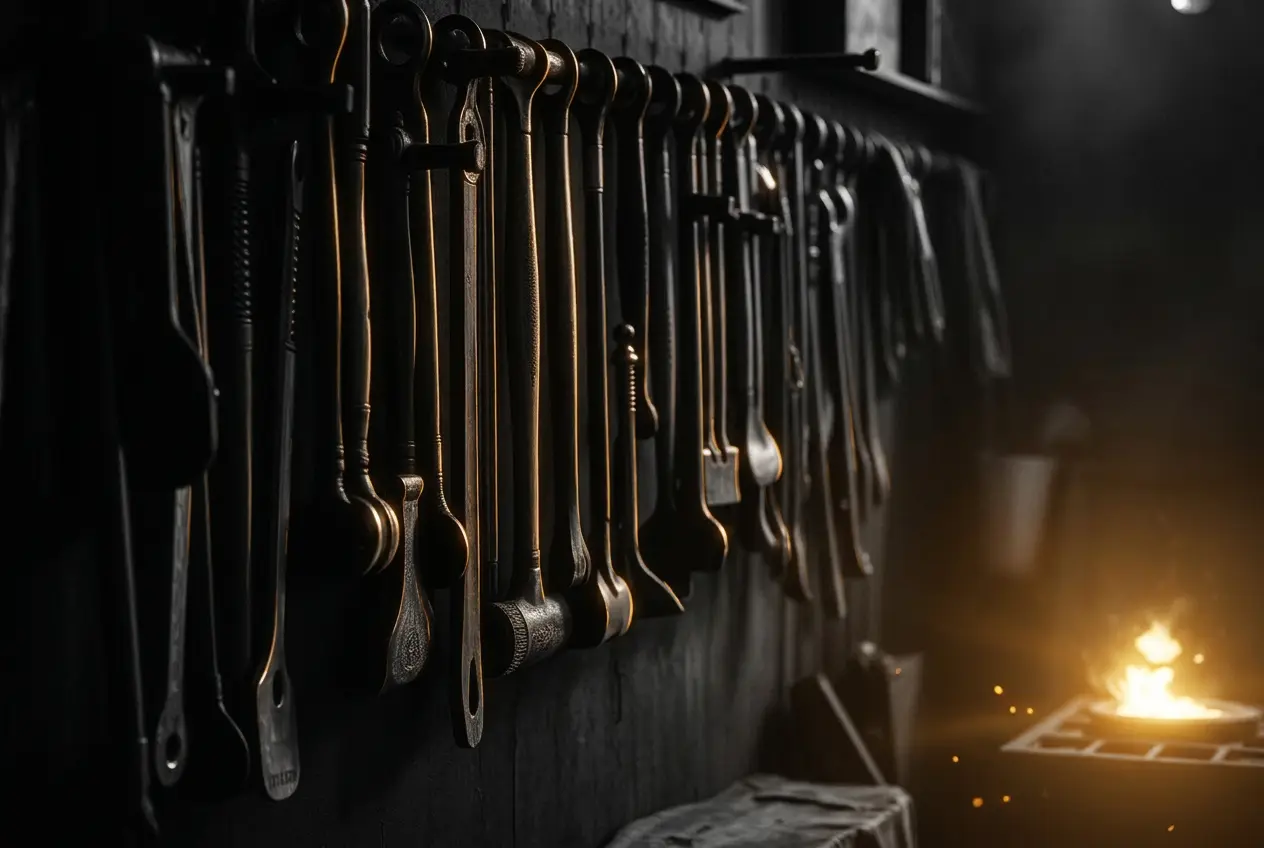
A range of forge tools lined up on a workshop wall in the half-light
Frequently asked questions

The diagnostic in practice

How long does a diagnostic take?

Between three and six weeks, depending on the size of the organisation and the number of trades involved. We start with a half-day scoping workshop and hand over the roadmap in a debrief meeting.

Do we already need a training project?

No, quite often the opposite. The diagnostic exists precisely to find out whether training is needed, for whom, on what, and whether training is really the right answer to the problem observed.

Are we obliged to carry on with you afterwards?

Never. The roadmap belongs to you and can be carried out by any provider or by your own teams. It is a standalone deliverable, not a disguised quote.

Who do you involve on the client side?

A sponsor with decision-making authority, an HR or training contact, and three to six subject-matter experts. Allow one to two hours of interview per expert, plus the group debrief.

What do your experts do without ever writing it down?

One sentence is enough to begin. It is exactly the material Le Chaudron goes looking for.

A few more words to carry on…

Your request will be handled under the subject: Diagnostic

Shall we look at what you no longer see?

One hour of conversation is enough to tell whether a diagnostic makes sense for you.

Make your own luckYour conversation will be about: AuditTalk to our teams Try a brick